
Listen to This Article:
Finishing culinary school is a big accomplishment, and it’s natural to wonder: what comes next? At Auguste Escoffier School of Culinary Arts, students don’t have to figure that out alone.
From the moment you start your program, you’re building toward what’s ahead: hands-on industry externships, connections with employers, and a community of fellow graduates who understand exactly where you’ve been and where you’re going.
Every student’s journey looks different, of course. Your career path will be shaped by your own goals, the effort you put in, and the unique circumstances of your life.
No school can guarantee a specific job or salary. But what Escoffier can offer is something just as valuable: guidance when you need it, mentorship from people who’ve been there, and a network of resources that can stay with you long after you walk across that graduation stage.
Externships: Build Real-World Connections Even Before Graduation
Career experience doesn’t start after graduation, it actually can begin while students are still in school.
Every program, whether online or on campus, includes a required hands-on industry externship that places students at the heart of a working kitchen. It’s a chance to feel the rhythm of service, move in sync with a team, and understand the ebb and flow of a professional environment.
These sites might be in restaurants, hotels, bakeries, or other food businesses, giving students professional experience long before they put on their cap and gown.
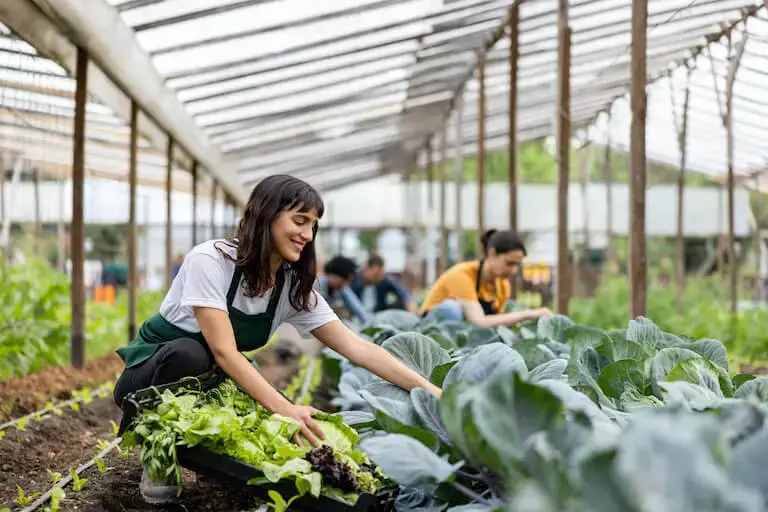
Externships can take place in diverse food settings, from restaurants to hotels and other sites.
Inside those externship kitchens, students can learn timing, teamwork, and the pace of professional life. Externships are designed to help students:
- Practice cooking under real-time pressure: Working through the demands of actual service, from morning prep to evening rush, students can experience firsthand what it takes to execute dishes when the tickets are flying.
- Work alongside seasoned chefs and receive valuable feedback: Students can train under experienced professionals who can share their expertise, push students to improve, and help them see their own potential.
- Build relationships that may grow into long-term opportunities: The connections made during externships often extend beyond those few months, opening potential doors to future collaborations and career paths.
How Externships Can Shape a Career
Take Culinary Arts graduate Parker Wilks-Bryant, for example. Parker completed his externship at Pujol in Mexico City, one of the top 50 restaurants in the world. Working in pastry prep, Parker learned the demanding pace of a world-class kitchen. Produce arrived from farmers at 6:00 a.m., everything was tasted before service and had to be perfect, and the kitchen was deep-cleaned up to eight times per day.
Under the guidance of Martha, the lead pastry cook, Parker worked on intricate techniques like extracting chlorophyll from plants for ice cream and preparing elaborate dessert components. When the intensity at times made him consider leaving, Martha pulled him aside to remind him he was a talented chef and capable of more than he realized. That encouragement stayed with him long after his externship was complete as he began to set his sights on future endeavors.
Experiences like this can shape a culinary career in countless ways. They can help you build a strong resume, create industry connections that may open unexpected doors, and spark new directions. After an externship at a high-end establishment like Pujol, a graduate may decide to pursue fine dining or stage at Michelin-starred restaurants. Or, the experience may inspire entirely new ideas, like with Parker, who now plans to combine cooking with recovery programs to help others overcome addiction.
While students are ultimately responsible for reaching out and securing their own externships, Escoffier’s Career Services team is there to offer guidance and support. In Parker’s case, he reached out directly to Pujol via email a year before his externship was set to begin. After some back-and-forth communication, a little help from Google Translate, and a formal application process, he was accepted. It wasn’t until his first week in Mexico City that he realized just how competitive the placement was (even locals told him how difficult it is to get a job there!). That kind of initiative, combined with school support, can lead to extraordinary opportunities.
Career Support Can Help You Polish Your Professional Edge
An externship can give you hands-on experience, but landing that first job or your next opportunity takes more than kitchen skills. It requires presenting yourself as a capable professional who can communicate what you’ve learned and where you want to go. That’s where Career Services comes in once more. Beyond externship guidance, the team can work with students and alumni to help build confidence and polish, offering personalized support that may include:
Resumé development
It’s one thing to develop the intuition to know when a steak is perfectly seared or a sauce is about to break; it’s another thing to translate those instincts on paper. Career Services can help you articulate your growing experience at each stage of your career to highlight culinary experience, whether you’re applying for your first line cook position or updating your credentials years later for a sous chef role.
Professional Portfolio
Another important part of career preparation is a professional portfolio. A well-organized portfolio can show employers that you’re serious about your craft and ready to grow. Recommended portfolio elements include:
- Photos of plated dishes to demonstrate technique and presentation
- Sample menus with your contributions clearly noted
- Recipes that highlight creativity, efficiency, and technical skill
- Certifications such as ServSafe, food handler cards, or your culinary diploma
In today’s industry, that portfolio extends to a social media presence, too. Chef Instructor Miguel Olmedo encourages students to build food-only social media accounts where they can share their dishes and progress with the hopes of later showcasing them to potential employers.
“Start building the portfolio now because that’s what they’re going to be looking at,” he says.
Future employers want to see what you’ve done, how you’ve plated it, and the care you put into every detail, from composition and cleanliness to creativity on the plate.
“They’re going to [use it to decide to] take the time to invest in you or not.”
Interview preparation
Job interviews in any field can stir up some nerves, but mock interviews and feedback from Career Services can help you prepare and step in with a little more ease. This support could extend beyond landing your first job, too. The team may also help you navigate promotions or explore new opportunities as your career evolves.

Interview practice with Career Services at Escoffier can help students step into conversations with confidence.
Entrepreneurship guidance
Thinking of striking out on your own? Whether you’re fresh out of school with a food truck idea or five years into your career and ready to open your own restaurant, the curriculum and alumni network can offer guidance on business planning, funding strategies, and the practical steps of becoming your own boss.
Together, these tools can help graduates step into the industry with confidence and credibility. While job search assistance and career outcomes depend on individual effort, local opportunities, and market conditions, these resources could give students a strong foundation to make a lasting first impression.
Networking & Alumni Community: Building Connections That Last
The food world is often a tight-knit community, and who you know can be just as important as what you know. That’s why Escoffier emphasizes networking skills early, encouraging students to get involved in their communities while still in school. By practicing connection-building from the start, graduates may enter the job market with both confidence and contacts that can support them throughout their careers.
Building Your Network as a Student
Some of the networking strategies students can explore include:
- Small talk & conversation practice – You’ve learned to balance flavors and hone your knife cuts; now it’s about building the same ease in conversation. Whether that means chatting in the grocery store or introducing yourself at a professional event, these small moments can build confidence and open unexpected doors.
- Volunteering at festivals or charity events – Meet chefs, food writers, and community leaders while giving back. In Austin, for example, students have pitched in at events like Luck Reunion on Willie Nelson’s farm and You Grill Girl, a women-focused food event hosted by Les Dames d’Escoffier. Graduate Katie Sualog even met famed pitmaster Rodney Scott while volunteering at the Austin Food & Wine Festival. You never know who you may cross paths with at these events.

Volunteering at community events may create valuable culinary connections.
- Competitions – Up for a little culinary competition? Here, you can test your skills alongside other ambitious culinarians while forging professional friendships. These events may help students gain exposure, receive feedback from judges, and even catch the attention of industry leaders, all while sharpening their craft in a spirited environment.
- Professional associations – Joining culinary organizations can open doors to mentorship, collaboration, and education. The American Culinary Federation (ACF), for example, is a large network of chefs that hosts events and offers statewide and local chapters, so you may connect with other cooks in your area.Additional groups include Disciples Escoffier International or Les Dames d’Escoffier, both of which require sponsorship to join, so aspiring members should start by connecting with current members in their community.
- Social media – Use platforms such as Instagram, LinkedIn, and TikTok not only to showcase skills but also to engage with peers and industry leaders.
This simple shift can spark conversation and open doors you didn’t expect.
Staying Connected After Graduation
The connections you build as a student don’t end at graduation. With more than 7,800 alumni worldwide, the Escoffier Alumni Association can help former students stay connected long after their programs are complete. Members may access mentorship opportunities, continuing education, job postings, and a supportive community of peers.
Many graduates also maintain strong relationships with their Chef Instructors and classmates. You never know when and where these connections can turn into future collaborations, job leads, or sources of advice.
And if you’re curious where an Escoffier education can lead, the alumni network offers plenty of inspiration. Graduates have gone on to forge unique paths, like Lance McWhorter, who went on to open his own restaurant, “Cowboy Chef” Mason Snyder, who transitioned from rodeo rider to executive chef, or Morgan Banno, who moved from ballet dancer to restaurant owner and academic tutor at Escoffier.

*This information may not reflect every student’s experience. Results and outcomes may be based on several factors such as geographical region or previous experience.
Ready to Step into the Culinary World?
From required externships to employer partnerships, networking opportunities, and a supportive alumni network, Escoffier offers resources that can help graduates take confident steps into the culinary world.
While every career path is unique and results depend on personal choices, effort, and external factors, the school can equip students with real-world experience and a community they may continue to rely on long after graduation.
Ready to explore your own possibilities? Learn more about Escoffier’s programs and start building the foundation for your culinary career.

